Duration
4 Nights & 5 Days
START CITY
Varanasi
END CITY
Varanasi
Varanasi (Kashi), Ayodhya & Prayagraj
Thank you for your interest in our Rituals Tour Package. We are pleased to introduce our travel company, RB India Tour, based in Varanasi, India. Our experienced team specializes in private and customized holidays across India and the subcontinent.
We assist you at every step of your travel planning to ensure a smooth and memorable experience. We offer Family Tours, Honeymoon Tours, and Cultural Tours with comfortable hotels, transportation, guides, and drivers. Flight and train ticket bookings are also available on request.
Discover the rich culture, heritage, and spirituality of North India with our exclusive 4 Nights & 5 Days Varanasi, Ayodhya & Prayagraj Tour Package.
Day 1 (arrival at varanasi)
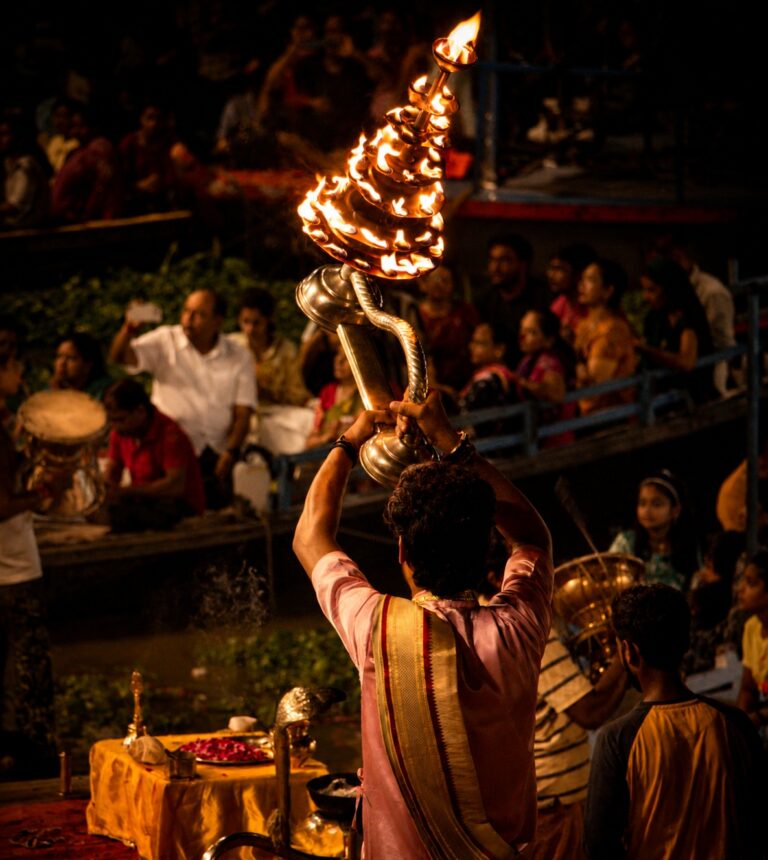
Ganga Aarti – Time 6pm to 6:45pm
Day 2 (varanasi)
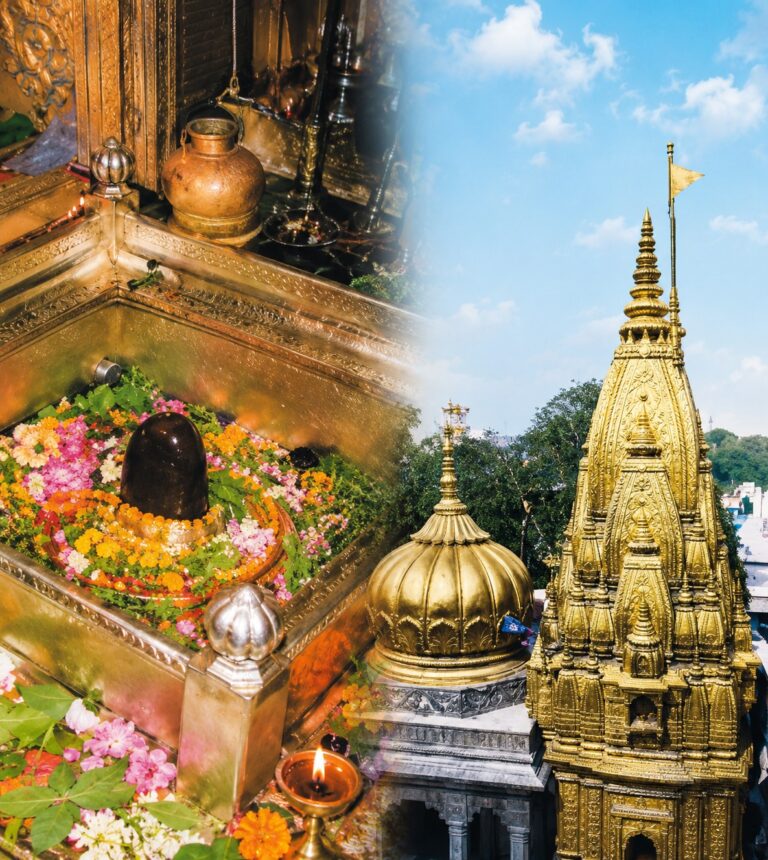
Kashi, also known as Varanasi or Banaras, is one of the world’s oldest and holiest cities situated in Uttar Pradesh, India. The name “Kashi” originates from the Rig Veda, signifying the “City of Light.” Renowned as “Moksha Nagri,” it is believed that those who pass away in Kashi attain immediate salvation. In the early morning, a visit to the Kashi Vishwanath Temple, one of India’s crucial Hindu temples, is planned. Located on the west bank of the Ganga, it is one of the twelve Jyotirlingas, dedicated to Lord Shiva in the form of Vishwanath or Vishweshwara, the “Ruler of the World.”
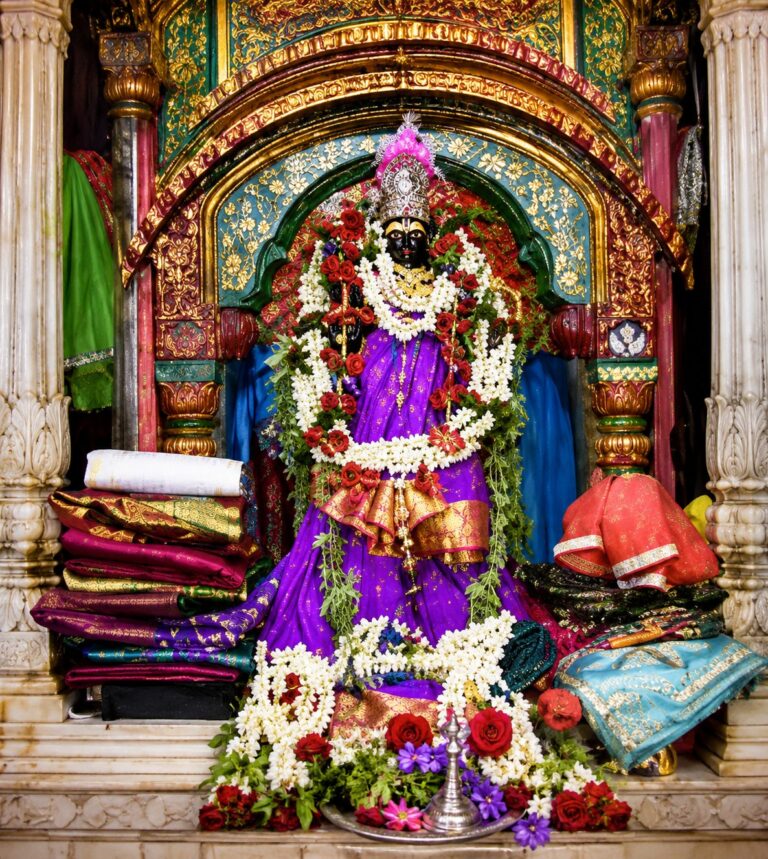
Vishalakshi Temple
Annapurna Mandir
Situated in the sacred city of Varanasi, the Annapurna Mandir stands as a renowned Hindu temple, holding profound religious significance. Dedicated to the goddess Annapurna, a manifestation of the Hindu goddess Parvati associated with nourishment, this temple is a revered site in Hinduism. The present structure, dating back to the 18th century, was built by Maratha Peshwa Bajirao. An epitome of divine worship, the Annapurna Mandir symbolizes the importance of sustenance and spirituality in the hearts of the devotees who visit this ancient place of worship.
Sankat Mochan
Nestled in Varanasi, Uttar Pradesh, the Sankat Mochan Hanuman Temple is a Hindu sanctuary devoted to the revered deity Hanuman. Founded by the renowned Hindu preacher and poet saint, Sri Goswami Tulsidas, in the early 16th century, the temple graces the banks of the Assi River. The deity housed within is named “Sankat Mochan,” signifying the “reliever from troubles.” This sacred site has become a spiritual haven, drawing devotees seeking solace and divine intervention from the troubles of life, embodying the essence of devotion and faith.
Bharat Mata Temple
Situated on the campus of Mahatma Gandhi Kashi Vidyapith in Varanasi, Uttar Pradesh, Bharat Mata Mandir, or “Mother India Temple,” stands unique in its design. Deviating from conventional depictions of deities, the temple boasts a vast marble carving portraying the undivided map of India. Dedicated to Bharat Mata, it asserts its singular status globally. This distinctive temple offers a patriotic tribute, celebrating the unity and diversity of the nation through its exceptional representation of Mother India.
Banaras Hindu University
Nestled in the sacred city of Varanasi, Banaras Hindu University stands as a globally acclaimed center of education. Founded in 1916 by the eminent nationalist leader Pandit Madan Mohan Malaviya, in collaboration with visionaries like Dr. Annie Besant, it was envisioned as the University of India. The establishment of Banaras Hindu University was formalized through the B.H.U. Act of 1915, is a significant legislative measure reflecting its commitment to fostering creativity, innovation, and academic excellence.
Sarnath
Sarnath holds profound significance as the site where Gautama Buddha delivered his inaugural sermon post-enlightenment in Bodh Gaya. It marks the genesis of the Buddhist sangha, shaped by the enlightenment of his initial disciples—Kaundinya, Assaji, Bhaddiya, Vappa, and Mahanama. According to the Mahaparinibbana Sutta (Sutta 16 of the Digha Nikaya), the Buddha designated Sarnath as one of the four pilgrimage destinations his devout followers should visit with reverence. The other revered sites include Lumbini (Buddha’s birthplace), Bodh Gaya (enlightenment), and Kushinagar (Parinirvana). After exploring these sacred locales, an overnight stay at the hotel awaits.
Day 3 (Varanasi -Prayagraj-Varanasi)
Triveni Sangam stands as the meeting point for the sacred Ganges (Ganga), the Yamuna, and the mythical Saraswati River. Situated in Prayag, near the region of Prayagraj, this confluence is often referred to as Prayag itself. The convergence of these rivers holds immense religious significance, drawing pilgrims and devotees to partake in the spiritual aura of this sacred junction. The Triveni Sangam symbolizes the harmonious merging of these revered rivers, enriching the cultural and religious tapestry of Prayag.
Alopi Devi Temple
A temple emerged at the location of this occurrence, where locals began venerating the bride as “Alopi Devi,” the ‘virgin goddess who had vanished.’ Even today, Alopi Devi is revered by countless residents in the area. They actively engage in worship during festivals, marriages, births, and deaths, fostering a deep connection with their guardian deity. The enduring devotion to Alopi Devi remains a central aspect of the lives of the people in the region.
Akshayavata Tree
Nestled within the Patalpuri Temple at Prayagraj Fort, a revered sacred fig tree is venerated as the Akshayavata tree, as chronicled in ancient texts. This sanctified tree holds significant religious importance, drawing worshippers who pay homage to its historical and spiritual significance. The Patalpuri Temple thus becomes a locus of reverence, where devotees connect with the age-old tales associated with the Akshayavata, adding to the cultural and religious fabric of the Prayagraj Fort.
Laying Hanuman Mandir
Also recognized as Lette Hanuman Mandir, the Bade Hanuman Temple venerates the monkey god, Hanuman. This unique temple features an underground pit cradling an expansive reclining idol of Hanumanji, positioned six to seven feet below the surface. Remarkably, it is the only Lord Hanuman temple globally where the idol lies in repose. According to mythology, Hanuman sought respite here after the fiery episode of Lanka’s burning. Notably, one side of the statue is partially immersed in the Ganges, with devotees flocking during monsoons, believing the rising water touches the deity’s feet. After sightseeing, return to Varanasi for an overnight stay at the hotel.
Day 4 (Varanasi – Ayodhaya –Varanasi)
Embark on a journey to Ayodhya after breakfast. The ongoing construction of the Ram Mandir in Ayodhya, Uttar Pradesh, marks the sacred site of Ram Janmabhoomi, believed to be the birthplace of Rama, a prominent Hindu deity. Supervised by the Shri Ram Janmabhoomi Teerth Kshetra, the temple is a significant pilgrimage site. Explore attractions like Ramkhata Museum, Hanumangarhi, Kanak Bhavan, and Ram Janam Bhumi, traditionally considered Rama’s birthplace. Enjoy a boat ride on the Sarayu River before returning to Varanasi for an overnight stay at the hotel.
!! LEAVING WITH BEAUTIFUL MEMORIES !!
Our Visitors